


Indice dei contenuti
- How Long Do Gummies Last? Storage Duration Explained
- Factors Affecting How Long Are Weed Gummies Good For
- Do Gummy Edibles Go Bad? Understanding Spoilage vs. Potency Loss
- Potency Loss: Why Do Edibles Lose Potency?
- How Long Do Weed Gummies Last in Different Storage Conditions?
- Do THC Gummies Expire? The Reality of Expiration Dating
- Recognizing When Gummies Go Bad
- What Happens If You Eat Expired Edible Gummies?
- How Long Are Weed Gummies Good For in Practice?
- Optimal Storage Guide: How to Maximize Gummy Shelf Life
- Do Weed Gummies Go Bad: Special Storage Scenarios
- The Science: Why Gummies Degrade
- Frequently Asked Questions
How long do gummies last is a critical question for cannabis consumers who want to maintain product quality and ensure potency over time. Gummy edibles can remain safe to consume for 6-12 months when stored properly, though potency typically decreases gradually after 3-4 months. Understanding whether gummy edibles go bad, how to store them correctly, and what happens if you eat expired edibles helps you maximize your investment and avoid consuming degraded products. The shelf life depends on storage conditions, cannabinoid type, and packaging quality.
Gummies face unique storage challenges compared to other cannabis products because they contain moisture, gelatin or pectin, and added ingredients that can break down over time. Proper storage practices significantly extend how long do weed gummies last at full potency.
How Long Do Gummies Last? Storage Duration Explained
Typical Shelf Life Timeline
The shelf life of gummies follows a predictable pattern when stored appropriately:
Months 1-3: Full potency maintained. Gummies taste fresh, texture remains firm, and cannabinoid content stays at original levels. This is the optimal consumption window.
Months 3-6: Slight potency loss begins. Cannabinoids like THC and CBD degrade slowly, typically losing 5-15% potency during this period. Gummies may become slightly softer or develop minor texture changes, though they remain safe to consume.
Months 6-12: Continued gradual potency loss. By month 6, gummies have typically lost 15-30% of original potency. By month 12, loss may reach 30-50% depending on storage conditions. Texture degradation becomes more noticeable.
Beyond 12 months: Continued degradation accelerates. After one year, gummies may have lost 50% or more of original potency. Flavor deterioration becomes significant, and texture changes make them less enjoyable to consume.
This timeline assumes proper storage-cool, dark, airtight conditions. Poor storage dramatically accelerates degradation.

Factors Affecting How Long Are Weed Gummies Good For
Several variables determine the actual shelf life of your specific gummies:
Temperature: The single most critical factor. Every 5°C (9°F) increase roughly doubles the rate of THC degradation. Gummies stored at 70°F remain potent much longer than those stored at 80°F or higher. Ideal storage temperature is 60-70°F.
Light exposure: Light, particularly UV light, degrades cannabinoids rapidly. Gummies exposed to direct sunlight lose potency twice as fast as those stored in darkness. Opaque containers protect better than clear packaging.
Humidity: Very dry air causes gummies to harden and crack. Very humid air promotes mold growth and cannabinoid degradation. Ideal humidity is 50-65%. Silica gel packets help maintain proper humidity in sealed containers.
Oxygen exposure: Air causes oxidation, which degraded cannabinoids. Sealed, airtight containers slow this process significantly. Containers with minimal air space preserve gummies longer.
Original potency: Higher-potency gummies sometimes degrade faster proportionally, though the absolute THC loss is similar across potencies. A 50mg gummy and 10mg gummy stored identically lose similar absolute amounts of THC.
Gummy composition: Gummies made with better preservatives, protective fats, and stabilizers last longer. Premium formulations resist degradation better than budget options.
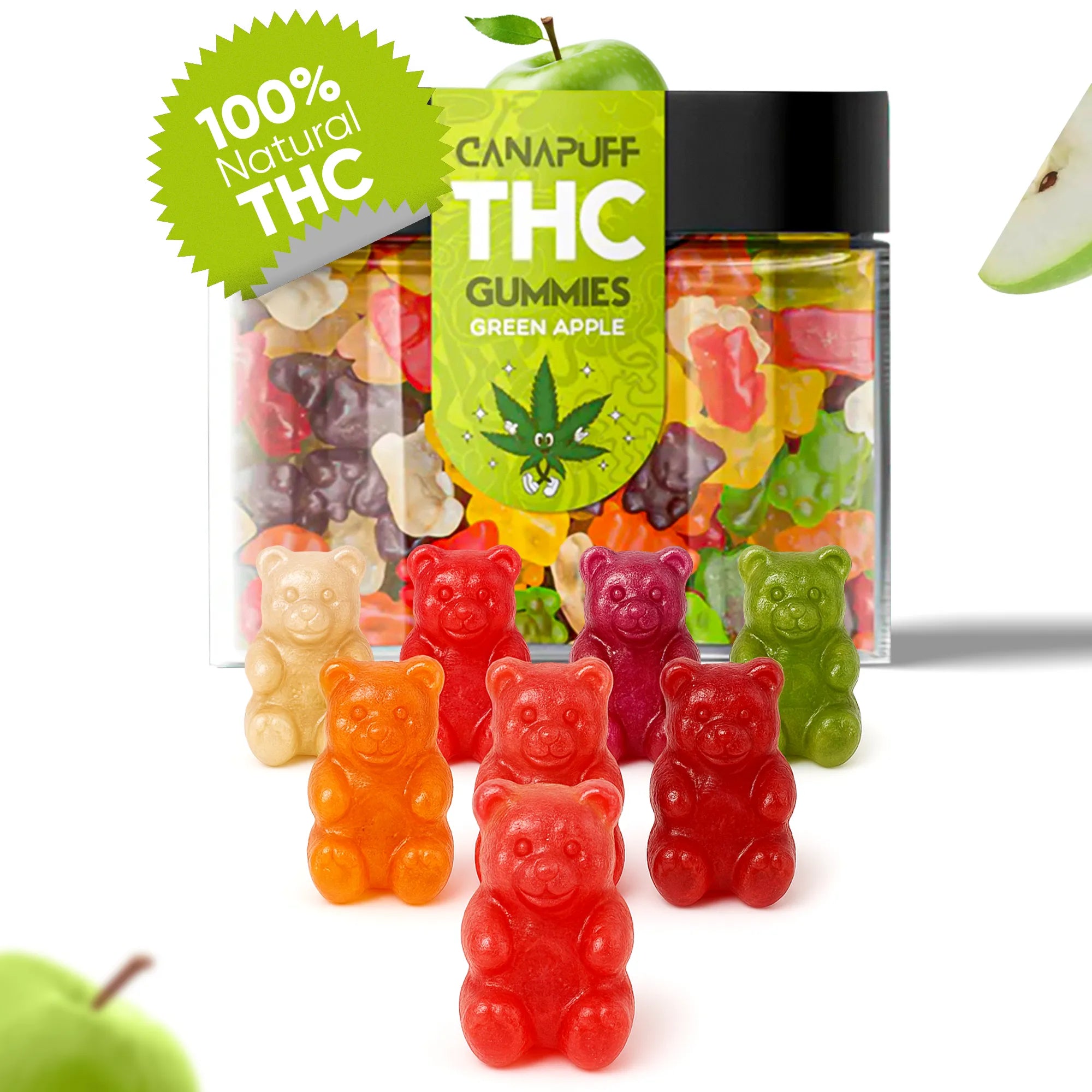
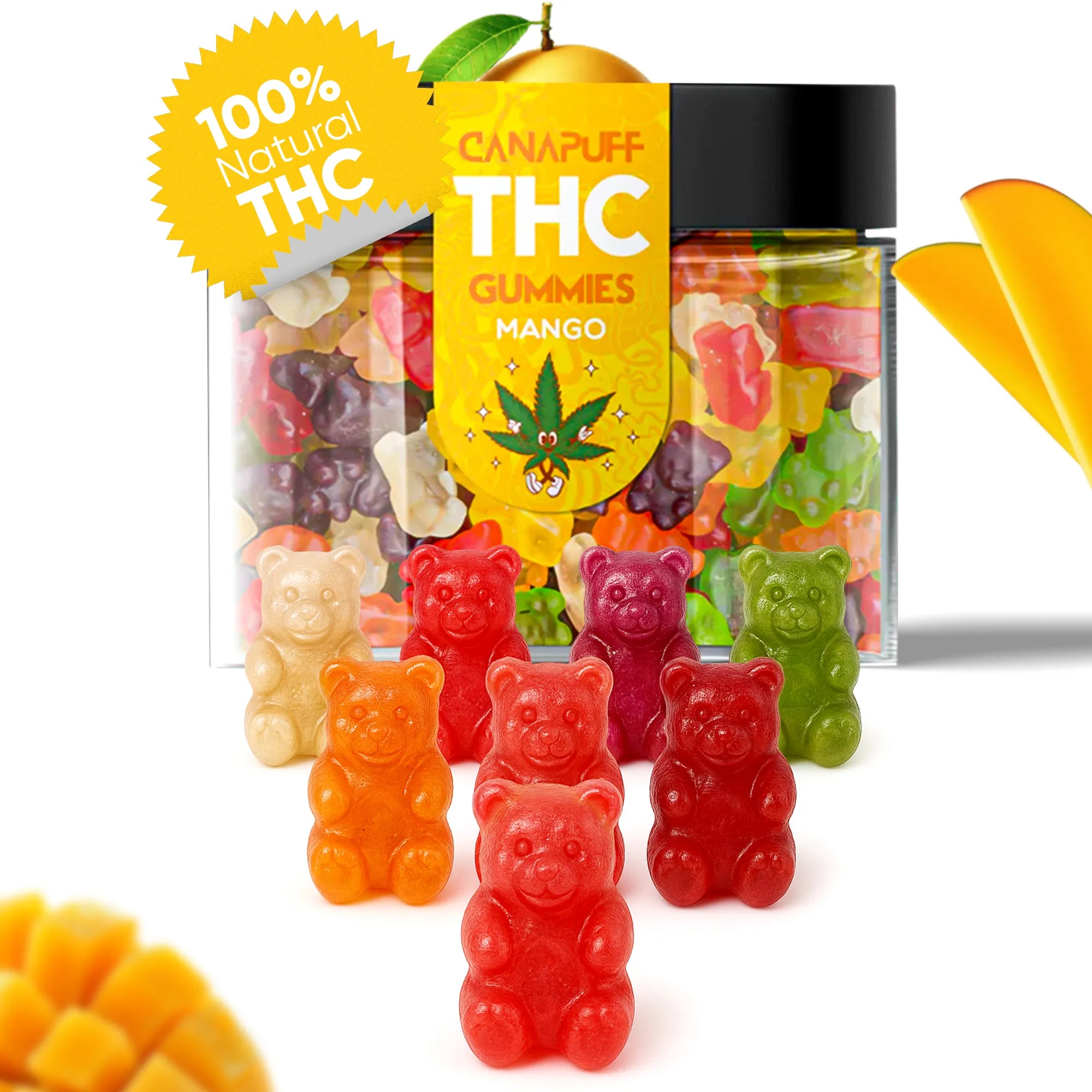
For access to properly stored, fresh gummies, Canapuff's THC gummies collection provides laboratory-tested products with clear expiration dating.
Do Gummy Edibles Go Bad? Understanding Spoilage vs. Potency Loss
The question "does gummy edibles go bad" requires distinguishing between two separate issues: spoilage (safety concern) and potency loss (effectiveness concern).
Spoilage and Food Safety
Gummies can go bad in the food safety sense, though this happens less frequently than many users assume:
Mold growth: The primary spoilage concern. Mold appears as visible discoloration (white, green, or black spots). Mold growth indicates unsafe consumption. Causes include humidity above 65%, moisture contamination, or storage in warm environments. Refrigeration and desiccant packets prevent mold.
Bacterial growth: Unlikely in properly sealed, dry gummies. The sugar content, low water activity, and gelatin create an environment hostile to bacterial growth. Opened packages stored improperly carry higher bacterial risk.
Fat oxidation: If gummies contain oils or infused fats, oxidation can occur, creating rancid smell and off-flavors. This affects palatability more than safety in most cases.
Gelatin degradation: Gelatin can break down, causing texture changes and potential weeping (liquid separation). While unpleasant, this is rarely a safety hazard.
Most properly stored gummies remain safe to consume for 12+ months. Spoilage is uncommon if gummies are stored in sealed containers away from heat and humidity.
Potency Loss: Why Do Edibles Lose Potency?
This is distinct from spoilage. Do edibles lose potency is answered simply: yes, always. THC degrades over time through several mechanisms:
Oxidation: THC reacts with oxygen, converting to less psychoactive cannabinoids. This process accelerates at higher temperatures and in the presence of air.
Decarboxylation: Heat causes THCA to convert to THC and then to CBN (cannabinol), a much less psychoactive compound. This is why overheated gummies lose potency faster.
Light-induced degradation: UV light triggers chemical reactions that break THC molecules apart. This is why dark storage is crucial.
Enzymatic breakdown: Natural enzymes in gummies slowly degrade cannabinoids, particularly if moisture is present.
Understanding do weed gummies lose potency helps users make storage decisions. For optimal potency retention, minimize heat, light, oxygen, and humidity.
How Long Do Weed Gummies Last in Different Storage Conditions?
Optimal Storage (Freezer)
Conditions: Sealed airtight container in freezer (-18°C or 0°F), away from light
Shelf life: 18-24 months at near-full potency
Mechanism: Cold dramatically slows all degradation processes. Freezing essentially puts cannabinoids in hibernation. However, repeated thawing introduces moisture that degrades gummies.
Practical considerations: Gummies become very hard when frozen, requiring thawing before consumption. Condensation during thawing can introduce moisture if containers aren't opened carefully. Best for long-term storage when you're not accessing gummies regularly.
Good Storage (Refrigerator)
Conditions: Sealed airtight container in refrigerator (4°C or 40°F), away from light
Shelf life: 12-18 months at 80-90% potency
Mechanism: Cool temperature slows degradation without the extreme hardness of freezing. Most practical balance between preservation and usability.
Practical considerations: This is the recommended storage method for regular consumers. Easy access, no moisture condensation issues when opened properly, and excellent potency retention. Keep silica gel packets in the container to manage humidity.
Adequate Storage (Cool, Dark Cupboard)
Conditions: Sealed airtight container in cool cupboard (60-70°F), away from light and heat sources
Shelf life: 6-12 months at 70-80% potency
Mechanism: Room-temperature storage is practical for regular consumption. Adequate for most users if temperature stays consistent and cool.
Practical considerations: Avoid cupboards above stoves, near windows, or in kitchens that heat significantly. Keep away from direct sunlight. This storage method works well for gummies you plan to consume within 6-9 months.
Poor Storage (Room Temperature, Light Exposure)
Conditions: Sealed container in typical room conditions (70-75°F), with some light exposure
Shelf life: 3-6 months at full potency, decline accelerates after 3 months
Mechanism: Standard room conditions permit moderate degradation. Light exposure accelerates potency loss significantly.
Practical considerations: Many casual consumers store gummies this way. Acceptable for short-term storage (1-3 months), but potency loss becomes noticeable by month 4.
Terrible Storage (Heat, Light, Open Container)
Conditions: Open container, exposed to light and heat (80°F+)
Shelf life: 2-4 weeks at full potency, 50%+ loss within 2 months
Mechanism: Multiple factors accelerate degradation simultaneously-heat speeds chemical reactions, light triggers photodegradation, and air exposure promotes oxidation.
Practical considerations: Common but not recommended. Gummies stored this way lose potency quickly and risk mold growth. Best for gummies you plan to consume within weeks of purchase.
Do THC Gummies Expire? The Reality of Expiration Dating
Official vs. Actual Expiration
Do THC gummies expire depends on whether you mean the official expiration date or the practical point at which potency becomes unacceptable:
Official expiration dates: Manufacturers typically set expiration dates at 12-18 months from production. These dates represent when potency is expected to drop to 90% of original content (or legally defined minimums). The date is conservative-gummies don't suddenly become unsafe or ineffective on the expiration date.
Practical potency loss: Gummies typically reach 70-80% potency at their official expiration date. Consumption remains effective, though you're not getting full labeled dosage. Most users notice the difference between 100mg and 70mg potency.
Safety expiration: Properly stored gummies remain safe to consume well past their official expiration date. Spoilage (mold, bacterial growth) is the safety concern, not potency loss. If gummies look and smell normal, they're almost certainly safe to consume even years past the official date.
Recognizing When Gummies Go Bad
Visual and sensory cues indicate when gummies have degraded beyond acceptable consumption:
Visible mold: Any green, white, or black spots indicate spoilage. Discard immediately.
Unusual odor: Rancid, sour, or off-smelling gummies suggest spoilage or significant degradation. Discard.
Extreme stickiness: Excessive stickiness beyond normal indicates moisture infiltration and potential mold risk. Discard.
Texture changes: Some firmness loss is normal. However, gummies that have become liquid or completely dissolved should be discarded.
Separation/weeping: Some liquid leaking from gummies indicates significant degradation. While not always unsafe, this suggests poor preservation and reduced potency.
Color changes: Significant darkening or color shift beyond normal fading can indicate oxidation and degradation.
If gummies pass these sensory checks, they're almost certainly safe to consume, even if potency has declined.
What Happens If You Eat Expired Edible Gummies?
Safety Profile
Consuming expired gummies is rarely dangerous. Here's what actually happens:
Reduced potency: The primary effect of consuming expired gummies is that you get less cannabinoid content than labeled. A 25mg gummy that's now only 15mg potent provides a milder effect than expected. This is an effectiveness issue, not a safety issue.
Mild gastrointestinal upset: Very rarely, degraded gummies might cause minor stomach upset, particularly if mold growth is present. This is uncommon and typically manifests as mild nausea or stomach cramping that resolves within a few hours.
No risk of poisoning: Cannabinoids don't become toxic as they degrade. THC becomes less psychoactive (converting to CBN), but doesn't become harmful. Eating an old gummy is approximately as risky as eating old gummy candy.
Possible allergic reactions: If mold growth is present and you're mold-sensitive, consumption could trigger allergic responses. This is a concern only if visible mold is present.
Most people consume expired gummies without noticing any difference beyond reduced effects. The primary consequence is not getting the advertised potency.
How Long Are Weed Gummies Good For in Practice?
In actual use, how long are weed gummies good for depends on your tolerance:
For standard tolerance users: Gummies remain noticeably effective (>80% potency) for 4-6 months with adequate storage. They're reasonably effective (70%+ potency) for 8-12 months.
For high tolerance users: Potency loss becomes more apparent. The difference between 80% and 100% potency is more noticeable at high tolerances. These users benefit from fresher gummies.
For low tolerance users: 70% potency gummies produce nearly identical effects to 100% gummies due to sensitivity. These users can consume gummies well past the 12-month mark without perceiving difference.
For Canapuff's THC gummies collection, products include manufacturing dates enabling customers to track age and plan consumption accordingly.
Optimal Storage Guide: How to Maximize Gummy Shelf Life
The Ideal Storage Setup
To maximize how long do gummies last:
Container choice:
- Airtight glass jars with rubber seals (best)
- Opaque plastic containers with secure lids (good)
- Original packaging if sealed (acceptable)
- Avoid: clear containers, containers with gaps, open storage
Desiccant packets:
- Include food-grade silica gel packets to manage humidity
- Replace packets every 6 months
- Alternative: use rice or dried beans (less effective but usable)
Location:
- Refrigerator bottom shelves (best for regular users)
- Freezer in vacuum-sealed bags (best for long-term storage)
- Cool, dark cupboard away from heat sources (acceptable)
- Avoid: above stove, near windows, in bathrooms, in cars
Temperature management:
- Keep consistent temperature (avoid fluctuations)
- Target 40-70°F range
- Never exceed 75°F for extended periods
Light protection:
- Use opaque containers exclusively
- Store in dark areas
- Avoid sunlight exposure completely
Storage Checklist
Follow this checklist for optimal preservation:
- Use airtight, opaque container ✓
- Include silica gel desiccant packets ✓
- Store in cool location (60-70°F preferred) ✓
- Keep away from light sources ✓
- Maintain consistent temperature ✓
- Keep container sealed except when accessing ✓
- Label with purchase/manufacturing date ✓
- Keep away from heat sources (stove, oven) ✓
- Avoid humidity-prone areas (bathrooms) ✓
- Check periodically for mold or degradation ✓
Following these practices can extend how long do weed gummies last to 12-18 months at acceptable potency levels.

Do Weed Gummies Go Bad: Special Storage Scenarios
Traveling with Gummies
When transporting gummies:
- Use airtight containers to prevent odor and moisture exposure
- Keep in cool areas (car trunk is preferable to interior in summer)
- Avoid leaving in hot vehicles for extended periods
- For flights, check local legality and TSA regulations
- Short trips (days) won't significantly affect potency
Accidentally Exposed Gummies
If gummies are accidentally exposed to heat or light:
- Brief exposure (hours to a day) typically causes minimal degradation
- Extended exposure (days or weeks) can cause noticeable potency loss
- Transfer to proper storage immediately to minimize further degradation
- Monitor for mold growth in the following weeks
Mixed Storage (Some Refrigerated, Some Not)
The question do edibles lose potency faster if stored inconsistently: yes, somewhat. Temperature fluctuations stress gummies and accelerate degradation. Once you move gummies to refrigeration, keep them there. Don't alternate between storage methods.
Long-Term Storage (1+ Year)
For storage beyond one year:
- Freezer storage is strongly recommended
- Use vacuum-sealed bags within airtight containers
- Include fresh desiccant packets
- Check every 3-6 months for freezer burn or moisture
- Allow slow thawing at room temperature to avoid condensation
The Science: Why Gummies Degrade
Understanding the chemistry helps explain storage recommendations:
THC degradation pathways:THC converts to CBN (cannabinol) through oxidation and heat. CBN has roughly 10% of THC's psychoactive potency. This is the primary cause of potency loss-not loss of cannabinoid molecules entirely, but conversion to less active forms.
Moisture's role:Water in gummies promotes both enzymatic breakdown and microbial growth. Dry conditions slow these processes dramatically.
Heat acceleration:Chemical reactions roughly double in speed for every 10°C temperature increase. This is why cool storage extends shelf life exponentially.
For additional scientific context on cannabinoid degradation, see Wikipedia's overview of cannabinoid chemistry.
Frequently Asked Questions
Can I extend gummy shelf life beyond 12-18 months?
Yes. Freezer storage can extend shelf life to 18-24 months or longer. Vacuum-sealing before freezing further extends viability. However, practical considerations limit extension-most users consume gummies within 12 months. Storage beyond 18 months rarely provides benefits worth the effort for average consumers.
Do THC and CBD gummies degrade at the same rate?
Slightly different rates. THC degrades slightly faster than CBD, particularly when exposed to light. CBD is somewhat more stable, degrading roughly 10% slower than THC under identical conditions. However, both follow similar storage recommendations-cool, dark, airtight conditions remain optimal for both.
How can I tell if gummies have lost significant potency without lab testing?
Lab testing is the only accurate method. Sensory evaluation (taste, smell, appearance) doesn't reliably indicate potency loss. Many users report that older gummies "seem less potent," but this is often placebo or tolerance effects rather than actual degradation. If you need precise potency information, contact the manufacturer for stability data or conduct lab testing.
Do homemade gummies have different shelf life than commercial products?
Homemade gummies typically have shorter shelf life (3-6 months) than commercial products due to lack of preservatives and inconsistent storage. Commercial gummies often contain stabilizers and preservatives extending shelf life. Homemade gummies should follow identical storage recommendations but are generally consumed faster.
What's the difference between gummies stored at 68°F vs. 72°F?
The 4°F difference produces roughly 10-15% faster degradation at the warmer temperature. Over 12 months, a gummy stored at 72°F would have approximately 10-15% more potency loss than one stored at 68°F. This explains why refrigeration (40°F) is significantly better than room temperature.
Can I revive old gummies by reheating them?
No. Heating old gummies won't restore potency. In fact, heat accelerates additional degradation, further reducing potency. However, gently warming old gummies improves texture and palatability, making them more enjoyable to consume despite reduced potency.
Do delta-8, delta-10, and other cannabinoids degrade differently than THC?
Yes. Delta-8 and other isomers degrade at different rates, with some slightly more stable and others less stable than delta-9 THC. Delta-8 is somewhat more stable than delta-9 THC, while delta-10 is typically less stable. Storage recommendations remain identical for all cannabinoid types-cool, dark, airtight storage optimizes shelf life regardless.
How do I calculate how much potency my gummies have lost?
You can't calculate without knowing the original and current cannabinoid content. Only lab testing provides accurate potency information. If you want to estimate: assume roughly 10% loss per 3 months of room-temperature storage, or 5% loss per 3 months of refrigerated storage. These are rough estimates with significant individual variation.
Should I transfer gummies to smaller containers as I consume them?
Yes. Smaller containers with less air space slow oxidation. If you have a half-full container, transfer gummies to a smaller sealed container, removing as much air as possible. This is particularly important for long-term storage. Silica gel packets should be included in the new container.
Do THC gummies expire faster than CBD-only gummies?
Marginally. THC degrades slightly faster than CBD, so THC-dominant gummies may lose potency 10-15% faster than CBD-only products. However, both require identical storage conditions. The difference is minor compared to the impact of storage conditions-a poorly stored CBD gummy degrades faster than a properly stored THC gummy.





Commenta
Questo sito è protetto da hCaptcha e applica le Norme sulla privacy e i Termini di servizio di hCaptcha.